Choosing the right materials around a fireplace is not only about style. It also affects safety, heat control, long-term durability and how well the fireplace suits your home.
Fireplaces emit direct and radiant heat, which can affect nearby walls, floors, mantels, and furniture. Some materials can safely withstand this heat, while others may weaken, crack, dry out, or pose a fire risk over time.
This guide explains combustible and non-combustible fireplace materials in simple terms, so you can make safer and better-informed choices before installing or updating a fireplace.
What Are Combustible Fireplace Materials?
Combustible materials are materials that can catch fire, burn, melt, weaken or become unsafe when exposed to enough heat. They may not ignite straight away, but regular heat exposure can slowly make them more dangerous.
Common combustible materials include timber, MDF, plywood, carpet, curtains, fabric, some laminates, certain wall panels and cabinetry. Standard plasterboard can also become a concern if it is fixed over timber framing or used too close to high-heat areas.
These materials are not always banned near fireplaces, but they must be kept outside the required clearance zone for the fireplace model.
What Are Non-Combustible Fireplace Materials?
Non-combustible materials are materials that do not easily catch fire when exposed to heat. They are commonly used around fireplaces because they can handle higher temperatures much better than timber, fabric or standard wall finishes.
Common examples include brick, stone, concrete, steel, tile, metal, cement sheeting and heat-rated glass. These materials are often used for hearths, fireplace surrounds, wall protection and floor protection.
However, non-combustible does not always mean suitable for every fireplace. The material still needs to match the fireplace type, heat output, installation guide and Australian safety requirements.
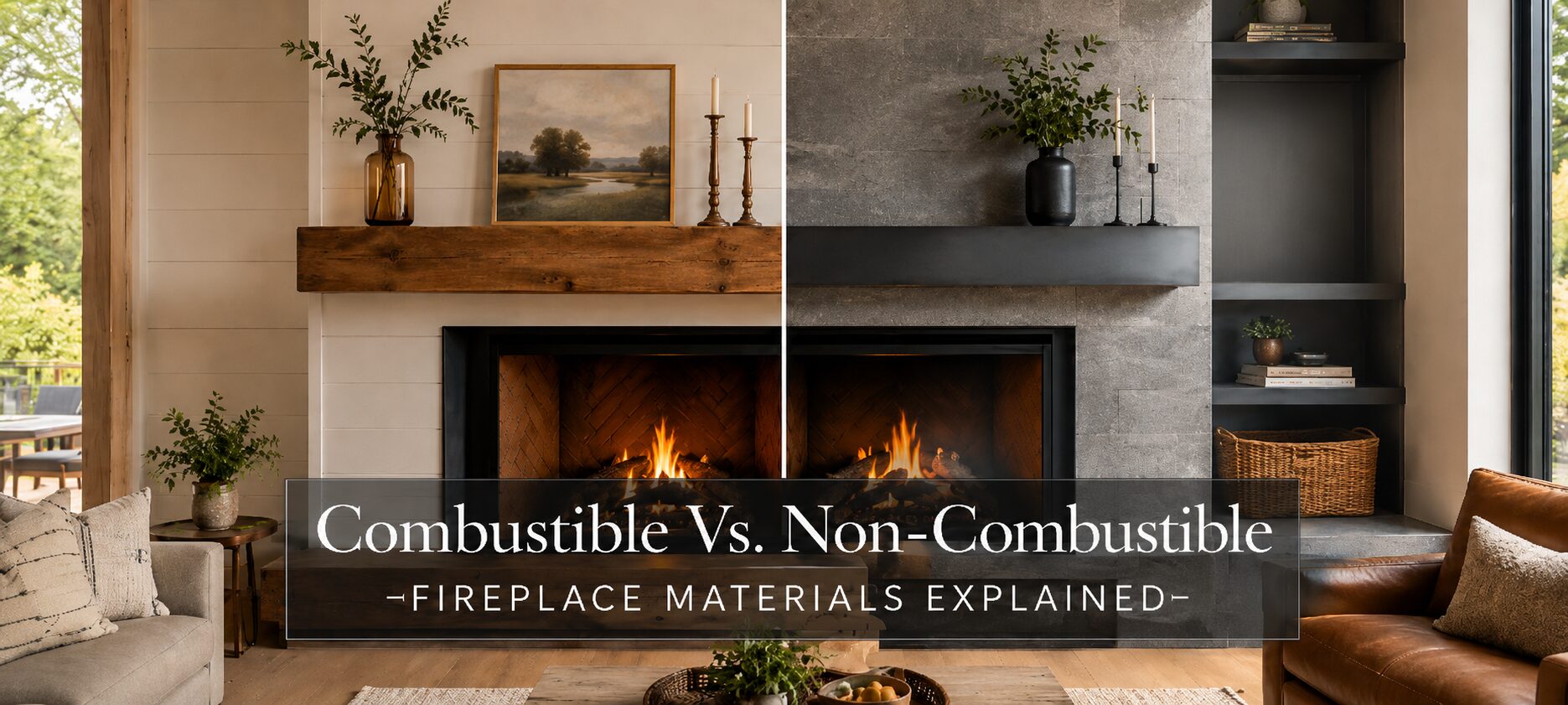
The Main Difference Between Combustible And Non-Combustible Materials
The main difference is how each material reacts to heat. Combustible materials can burn or become unsafe when exposed to high temperatures. Non-combustible materials are made to resist ignition and are generally safer for areas close to the firebox or flue.
For example, timber can look warm and attractive around a living room fireplace, but it needs safe spacing. Stone, brick or tile can usually be used closer to the fireplace, depending on the model.
This difference affects more than appearance. It can impact fire safety, insurance, installation quality and the life of the surrounding structure.
Why Clearance To Combustibles Is So Important
Clearance to combustibles means the minimum safe distance between the fireplace, flue or heated surface and any material that can burn or be damaged by heat.
This distance is not the same for every fireplace. A wood heater, gas fireplace, slow combustion unit or outdoor wood fireplace can each have different clearance requirements.
If combustible materials are too close, heat can slowly dry them out, weaken them or create a hidden fire risk. That is why the fireplace manual, Australian standards and licensed installation advice should always guide the final layout.
Common Areas Where Material Choice Matters
Several parts of the fireplace area need careful material selection. These include the hearth, wall surround, floor, mantel, nearby shelves, cabinetry and any decorative wall finish close to the firebox.
The wall behind and beside the fireplace often needs special attention because it may receive steady radiant heat during use. A material that looks safe at first may not perform well after months or years of heat exposure.
The ceiling and roof area are also important where the flue passes through. This section must be planned correctly to keep heat away from combustible building materials.
How Fireplace Type Affects Material Requirements
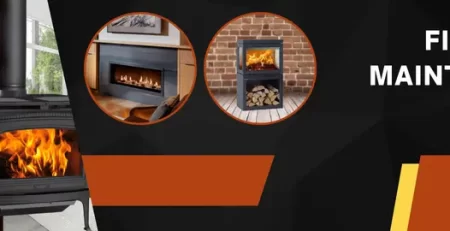
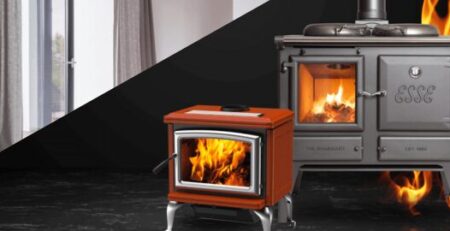
Different fireplace types have different material needs. A wood fireplace can produce strong radiant heat, so it often needs careful wall protection, floor protection and clear spacing around the unit.
A gas fireplace may have its own ventilation, surround and clearance rules. These can vary depending on whether it is built-in, freestanding or designed as a feature fireplace.
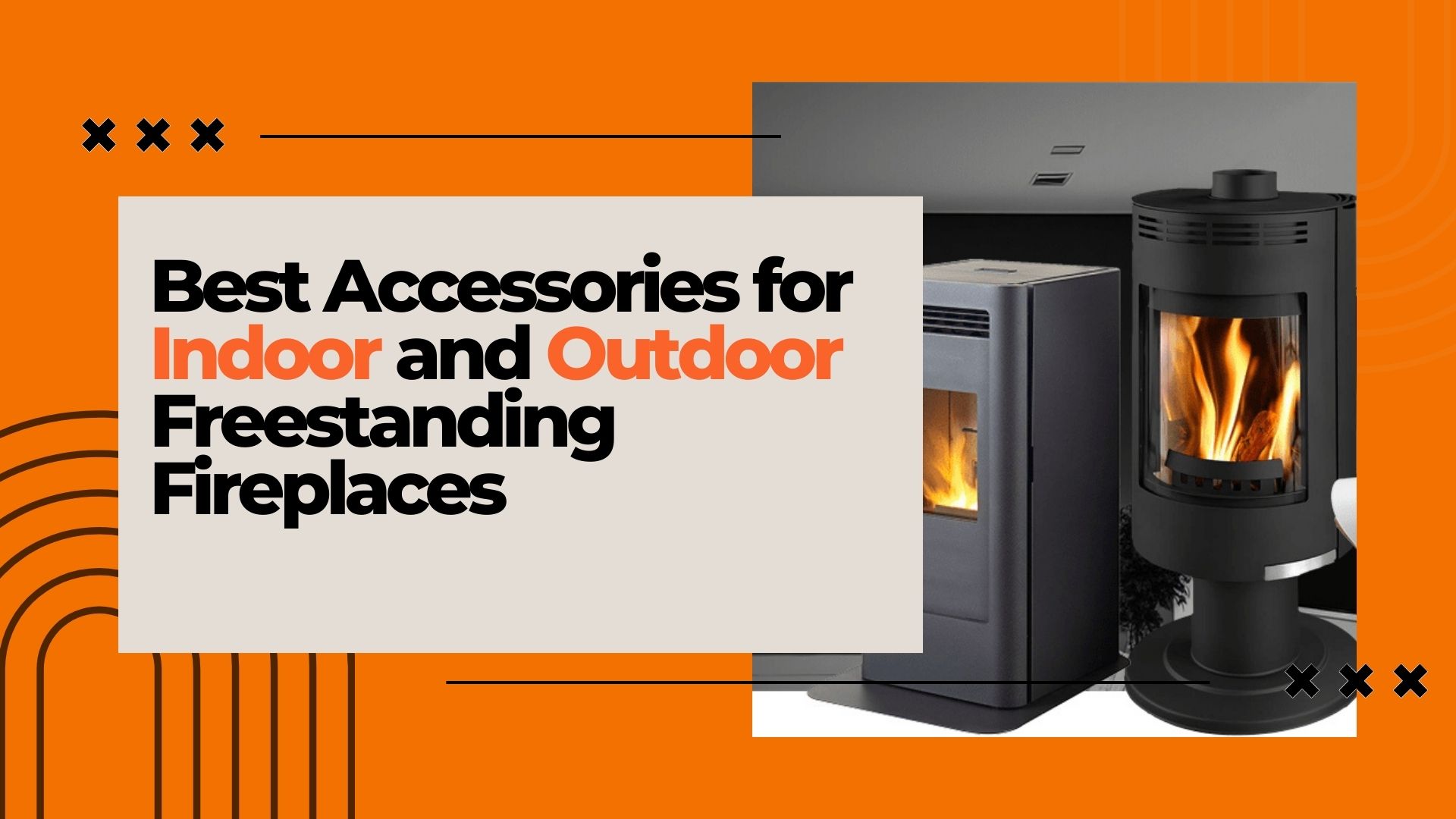
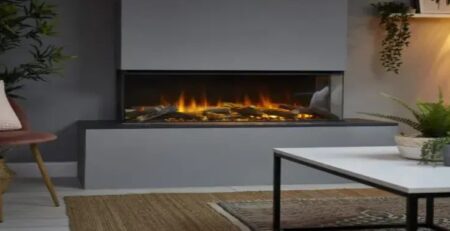
A free standing electric fireplace may offer more flexibility than a wood heater, but it still needs proper placement. Homeowners should consider power access, airflow, furniture spacing and the manufacturer’s installation instructions.
The Role Of The Flue And Heat Management
The flue is a major part of fireplace safety. It helps move smoke, gases and heat safely out of the home. Because it can pass through ceilings, wall spaces and roof areas, the materials around it must be suitable.
A properly selected fireplace flue kit can support safe fireplace performance, but it must match the fireplace model and installation requirements.
Poor flue setup can affect draught, smoke movement and heat transfer. It can also create safety risks if combustible materials are too close to hot flue components.
Design Choices That Keep The Fireplace Area Safe
A safe fireplace area can still look beautiful. Materials such as brick, stone, tile, steel, concrete-look finishes and heat-rated panels can create a strong feature without placing unsafe materials too close to the heat source.
It is also important to plan mantels, shelving, TV units and cabinetry before the fireplace is installed. This helps avoid awkward layouts or expensive changes later.
The best results usually come from planning safety and design together. A fireplace should suit the room, but it must also suit the heat it produces.
Mistakes To Avoid When Choosing Fireplace Materials
One common mistake is placing timber too close to the fireplace because it looks good in the design. Another is assuming all tiles, panels or decorative finishes are suitable for heat.
Homeowners may also place a TV too close above the fireplace, block ventilation gaps, ignore the product manual or use standard plasterboard in a high-heat area.
DIY changes can also create hidden risks if the clearances, flue path or surrounding materials are not reviewed properly. Fireplace materials should always be chosen with safety, heat exposure and installation rules in mind.
Conclusion
Combustible and non-combustible materials play an important role in fireplace safety, performance and long-term appearance. The right choice depends on the fireplace type, heat output, surrounding structure, clearance requirements and installation guide. With proper planning, your fireplace area can look stylish, feel comfortable and remain safer for everyday use.