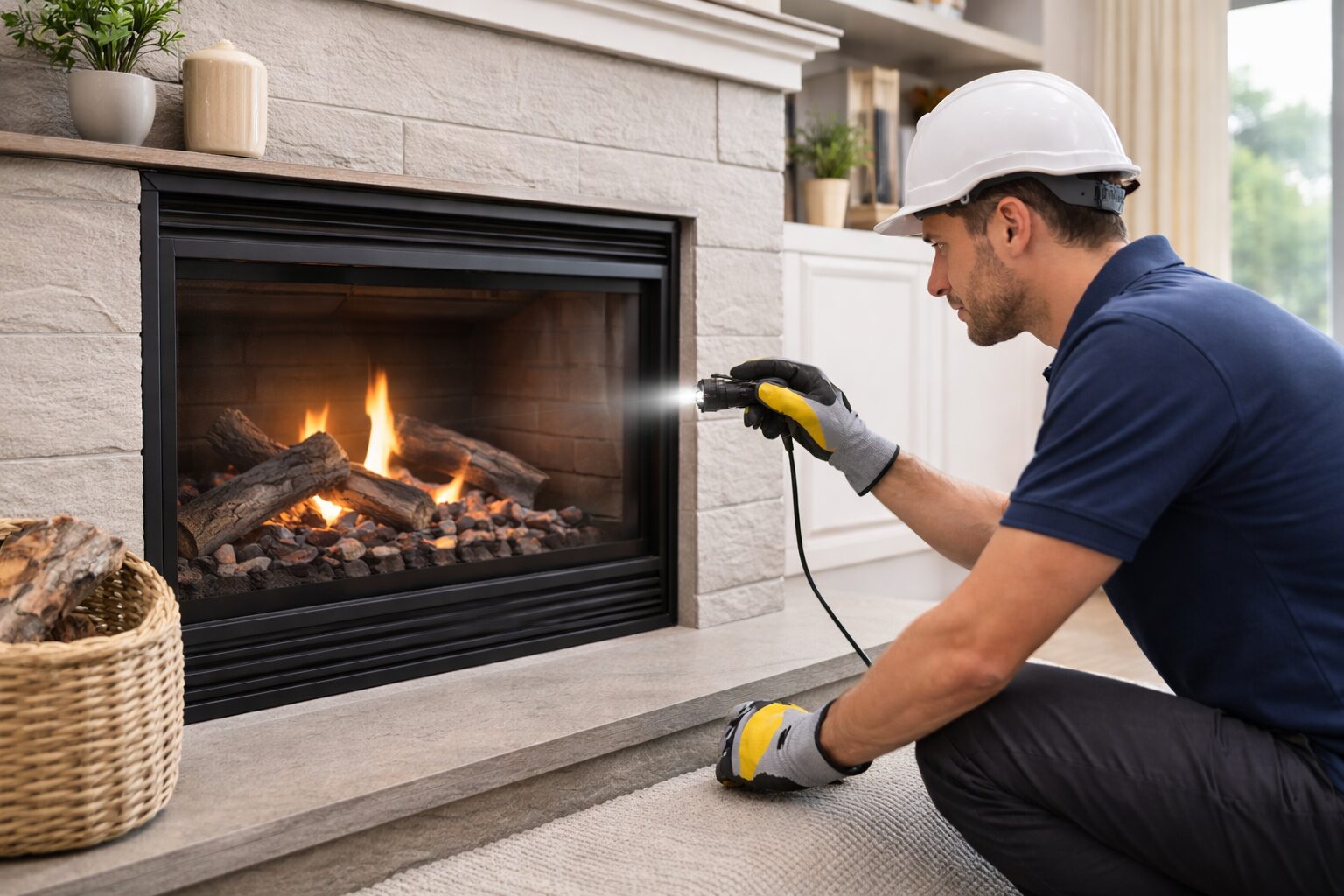
A fireplace should make your home feel warm and relaxed, not put your family at risk. The tricky part is that many safety issues start small. A bit of smoke, a strange smell, or a crack you have been ignoring can slowly turn into a bigger problem. Whether you use wood, gas, electric, or an outdoor setup, the warning signs are often easy to spot once you know what to look for. Let’s walk through seven red flags that are worth taking seriously, plus what to do next if anything feels off.
Why Fireplace Problems Can Turn Serious Fast
Fireplaces deal with high heat, airflow, and combustion. If the system is not venting properly, smoke and fumes can drift back into the room. If parts are damaged or loose, heat can reach areas it should never reach. And if a unit is not working as designed, it can waste fuel, stain walls, and create avoidable safety risks. The good news is this: most problems are fixable when caught early. The key is not brushing off the signals.
Warning Sign 1: Smoke Comes Back Into The Room
If smoke is spilling into your living space, something is not right. You might notice a smoky smell on clothes, stinging eyes, or haze when you open the door. This can happen when the chimney is blocked, the draft is poor, or the venting components are failing. In some cases, an incorrect or damaged fireplace flue kit can affect airflow and cause smoke to behave unpredictably. Any indoor smoke issue is a reason to stop using the fireplace until it is checked.
Warning Sign 2: Strange Smells When The Fireplace Is Off
A fireplace should not stink when it is not in use. If you notice a strong smoky odour, a damp musty smell, or something sharp and unpleasant, it could point to creosote buildup, moisture in the flue, or debris sitting where it should not be. Sometimes it is as simple as soot and dust, but it can also be a sign of poor ventilation. If the smell is new or getting worse, treat it as a warning and book an inspection.
Warning Sign 3: Cracks, Gaps, Or Loose Masonry
Take a close look around the firebox, hearth, surround, and any visible brickwork. Small hairline marks can be normal over time, but obvious cracks, gaps, or crumbling mortar are different. These openings can allow heat to travel into areas behind the walls or around timber framing. If you can see daylight where you should not, or if anything feels loose, it is not worth the risk. Get it assessed before the next use.
Warning Sign 4: Soot Marks, Heavy Black Dust, Or Staining
Soot happens, but heavy soot is a sign the fire is not burning cleanly. Black marks around the opening, staining above the fireplace, or glass that turns dirty quickly can point to airflow issues or an incorrect burn. With gas units, soot can also indicate a fault that needs attention. If you have a freestanding gas fireplace, keep an eye out for new staining or a sudden change in how the flames look. A clean burn should look steady and consistent, not messy or smoky.
Warning Sign 5: It’s Hard To Light, Keep Lit, Or It Keeps Cutting Out
A healthy fireplace should be reasonably predictable. If your wood fire struggles to catch, smoulders, or goes out repeatedly, it may be an airflow issue, wet wood, or a buildup in the system. If a gas fireplace is hard to ignite or keeps shutting off, that is not something to ignore. Electric units that flicker, cut out, or behave inconsistently can also signal a wiring or component issue. If it is failing repeatedly, it is telling you something.
Warning Sign 6: Unusual Noises Or Movement
Rattling, clunking, whistling, or banging during windy weather can all be signs of loose parts or venting issues. Sometimes the noise is minor, but if it is new, louder than usual, or happening more often, it is worth checking. Outdoor setups can wear faster due to weather exposure. If you use an outdoor wood fireplace, rust and loose panels can hide in places you do not look at every day. A quick inspection now can save a much bigger repair later.
Warning Sign 7: Health Symptoms Or Alarm Warnings During Use
This is one of the most important signs of all. If anyone feels dizzy, nauseous, unusually tired, or gets headaches when the fireplace is running, take it seriously. Symptoms that improve when you leave the room can be linked to poor ventilation or fumes. Also pay attention to smoke alarms or carbon monoxide alarms. Even electric models are not automatically risk free. If you have a free standing electric fireplace and you notice overheating smells, unusual heat on the wall behind it, or circuits tripping, stop using it and have it checked.
What To Do If You Notice Any Warning Signs
- Stop using the fireplace straight away. Do not push through “just one more night.”
- Open windows and doors if there is smoke or a strong smell.
- If you suspect a gas issue, turn off the gas supply only if it is safe to do so, and contact a licensed professional urgently.
- Keep kids and pets away from the fireplace until it is inspected.
- Arrange a proper inspection and service before you use it again.
If you are looking for local help with gas fireplace sutton forest, treat any safety concern as a priority and get an expert on site rather than guessing.
Simple Habits That Reduce Fireplace Risk
- Book an annual inspection and cleaning, especially before the cooler months.
- Only burn dry, seasoned wood. Wet wood creates more smoke and buildup.
- Keep the area around the fireplace clear of furniture, rugs, and decorations.
- Ensure vents are not blocked, and airflow is not restricted.
- Test smoke alarms regularly, and consider a carbon monoxide alarm if you run fuel-burning appliances.
- Pay attention to changes. If it looks, smells, or behaves differently, it deserves a check.
Conclusion
A safe fireplace should feel simple and reliable. If you are seeing smoke, soot, cracks, strange smells, shutdowns, odd noises, or health symptoms, do not ignore them. Most of the time, the fix is straightforward when caught early. The real danger comes from waiting too long. Trust what your home is telling you, and get it checked before you use it again.
If any of these warning signs sound familiar, it’s best to stop using your fireplace and get it checked. A professional inspection helps confirm your fireplace is venting properly, running safely, and ready for use, so you can enjoy the warmth with peace of mind. Click Book a Fireplace Inspection to schedule a time.