

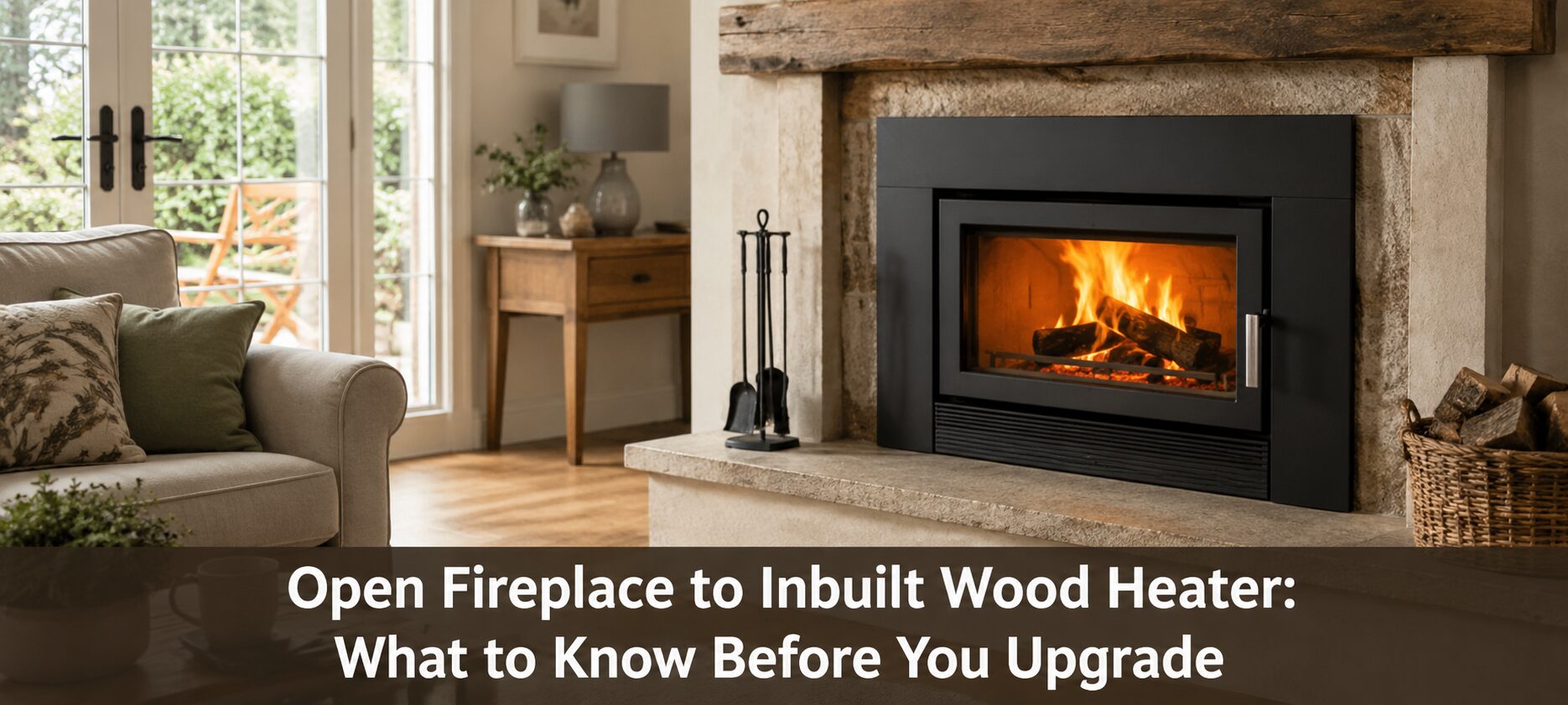
An existing open fireplace can be an attractive feature, but it may not provide the level of heating performance or control you want from your home. For many Australian homeowners, installing an inbuilt wood fireplace into an existing fireplace opening can be a practical way to retain the character of the space while upgrading the way it heats the room.
However, replacing an open fire is not simply a matter of choosing a heater that fits into the opening. The chimney, flue, hearth, clearances, condition of the existing structure and heating requirements of the room all need to be considered.
If you are thinking about moving from an open fireplace to an inbuilt wood heater, here is what you should understand before choosing a model.
Why Upgrade an Existing Open Fireplace?
Traditional open fireplaces create a distinctive atmosphere, but much of their heat can escape through the chimney rather than staying in the room.
An enclosed wood fireplace insert is designed to provide greater control over the fire and direct more useful heat into the living area. The enclosed firebox can also make it easier to manage the burn compared with an open fire.
For homeowners who already have a masonry fireplace and chimney, an insert can also allow the existing fireplace location to remain a key feature of the room.
Before deciding to upgrade, consider what you want the new fireplace to achieve. Are you mainly looking for ambience, supplementary warmth or a more substantial heating solution? The answer can influence the size, design and heating capacity you should consider.
Can an Inbuilt Wood Heater Go Into Any Open Fireplace?
Not every existing fireplace is automatically suitable for an insert.
The first step is assessing the fireplace opening and the structure around it. Measurements such as the width, height and depth of the cavity will help determine which models may physically fit.
The chimney and fireplace structure should also be assessed for their condition and suitability. Older fireplaces can have deterioration, damaged brickwork or previous modifications that need to be identified before a new appliance is installed.
A professional assessment is important because choosing an insert wood heater based only on the visible dimensions of the opening can overlook flue, hearth and clearance requirements.
If the existing opening is not suitable, other options may be worth considering. Depending on the property and your heating preferences, this could include a freestanding wood heater, gas fireplace or free-standing electric fireplace.
The Existing Chimney Still Needs Attention
Having a masonry chimney does not necessarily mean the new heater can simply use it as it is.
An enclosed wood-burning appliance normally requires a flue system that is suitable for the particular heater and installation. The flue helps carry smoke and combustion gases safely away from the appliance while supporting the airflow needed for effective burning.
Depending on the project, the installation may involve running a dedicated flue through the existing chimney. The appropriate fireplace flue kit and installation arrangement will depend on the selected appliance, chimney configuration and manufacturer requirements.
The condition and route of the existing chimney should therefore be considered before purchasing the heater. This can help identify potential installation issues early rather than discovering them once work has started.
Check the Hearth and Surrounding Materials
The hearth is another important part of an upgrade.
An existing open fireplace may already have a masonry or tiled hearth, but its dimensions and construction may not automatically meet the requirements of a new heater.
The selected appliance may have specific requirements for the hearth and clearances around the unit. Nearby combustible materials such as timber flooring, cabinetry, wall finishes and mantels also need to be considered.
This is one reason the complete installation should be planned around the selected model rather than choosing a fireplace first and trying to make the surrounding space work afterwards.
Choose the Right Heater for the Room
A larger built in wood fireplace is not automatically the better choice.
Heating requirements can vary considerably between homes. Room size is important, but so are ceiling height, insulation, the number of windows, floor plan and whether heat needs to reach adjoining spaces.
An undersized heater may struggle to provide the warmth you expect. An oversized unit can also be unsuitable if it produces more heat than the room needs.
When comparing models, look beyond physical dimensions. Heating capacity, fireplace design, installation requirements and how you plan to use the room should all form part of the decision.
This same principle applies when choosing an outdoor wood fireplace. A fireplace should be selected for the space and intended use rather than simply by appearance or firebox size.
Consider How the Upgrade Will Look
Moving from an open fireplace to an insert can change the appearance of the room.
Some homeowners want to maintain a traditional masonry surround, while others use the upgrade as an opportunity to create a more contemporary fireplace feature.
Depending on the selected model, the new inbuilt fireplace may sit neatly within the existing opening with a finishing surround or fascia. The proportions of the fireplace, mantel and wall should be considered together so the completed installation looks intentional rather than added afterwards.
If you are renovating the entire room, planning the fireplace early can also make it easier to coordinate flooring, cabinetry, television placement and other finishes.
Installation and Compliance Should Be Planned From the Start
Wood heater installation involves more than placing the appliance into the existing cavity.
The fireplace, flue system, hearth, clearances and surrounding construction need to suit the appliance and applicable requirements. Fireplace Masters states that its installation process considers site conditions, dimensions, clearances, placement and project-specific requirements.
Professional planning can also identify whether additional work is required before installation. This may include modifications to the existing opening or work associated with the chimney, hearth or surrounding structure.
Avoid assuming that an existing chimney automatically makes the project simple. The condition and configuration of each home can be different.
Is Upgrading an Open Fireplace Worth Considering?
For homeowners who enjoy a real wood fire but want a more controlled heating setup, upgrading an existing fireplace can be worth exploring.
A well-selected built-in fireplace can retain the fireplace as a focal point while providing a more modern enclosed firebox. It can also allow you to make use of an existing fireplace location rather than creating an entirely new feature elsewhere in the home.
The key is to assess the complete project before committing to a particular model. Fireplace dimensions, heating requirements, chimney condition, flue configuration, hearth and installation all need to work together.
Planning an Open Fireplace Upgrade?
If you are considering replacing an open fireplace with an inbuilt wood heater, Fireplace Masters can help you compare suitable fireplace options and understand what your existing space may require.
With fireplace sales, installation and servicing experience dating back to 1979, Fireplace Masters works with homeowners across Wollongong, the Illawarra, Southern Highlands, Southern Sydney, Shoalhaven and surrounding areas.
Visit the Fireplace Masters showroom at Albion Park Rail or request a quote to discuss the right fireplace and installation approach for your home.
Can You Mount a TV Above a Fireplace? A Guide for Wood, Gas and Electric Models
Mounting a television above a fireplace can create a clean, modern focal point in a living...
Combustible Vs. Non-Combustible Fireplace Materials Explained
Choosing the right materials around a fireplace is not only about style. It also affects safety,...
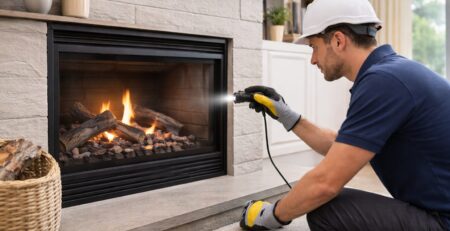
Is Your Fireplace Safe? Signs It Needs a Safety Check
A fireplace should make your home feel warm and relaxed, not put your family at risk....
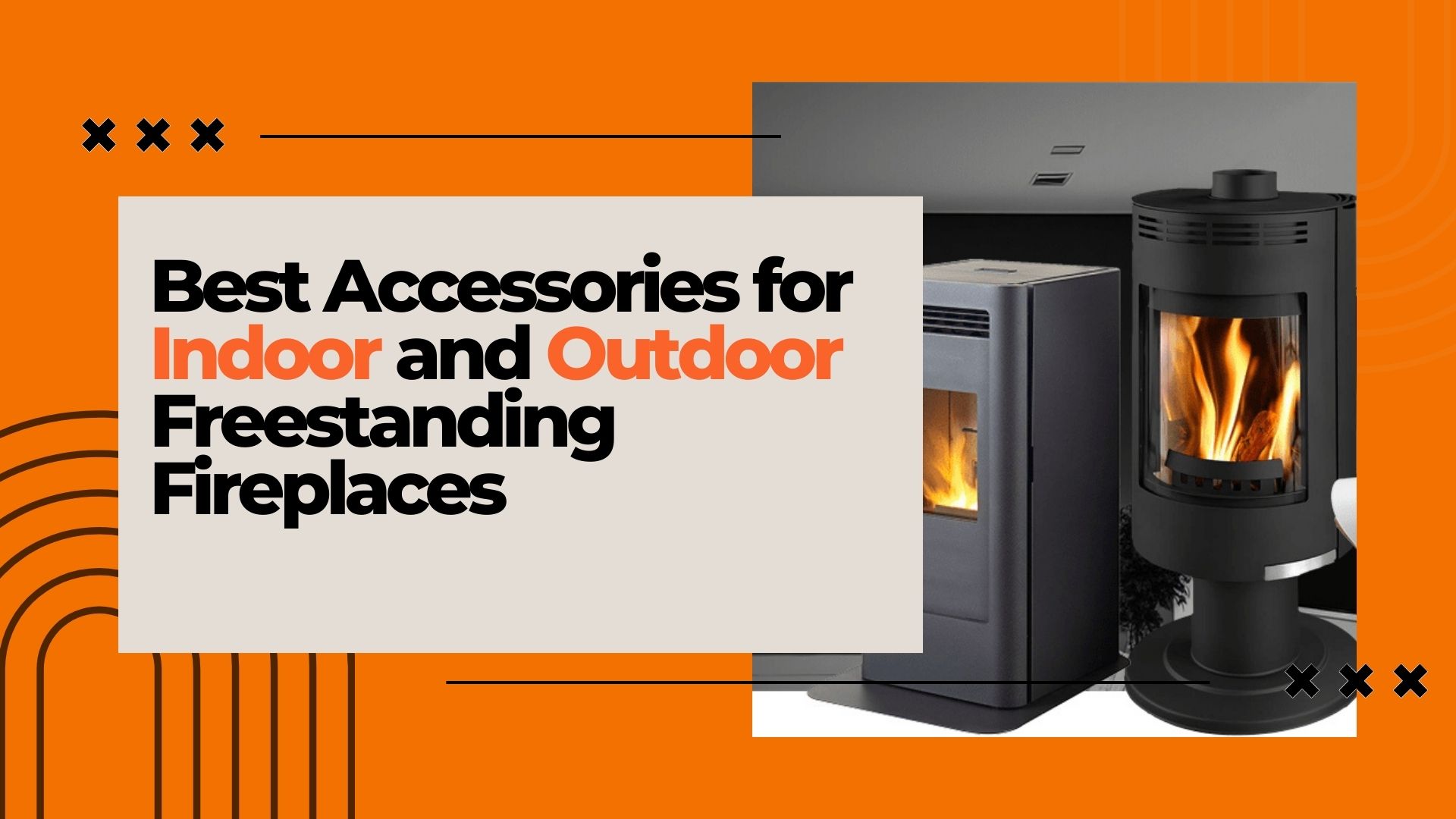
20 Best Accessories for Indoor and Outdoor Freestanding Fireplaces
A fireplace isn't just for heat; it's a focal point. Whether it's the rustic vibe of...
How Long Does a Fireplace Last?
Choosing a fireplace is not just about staying cosy for one winter. It is a long-term...
Is Your Fireplace Ready for Winter?
Carrying out a few simple checks annually helps keep your fireplace working well and your home...
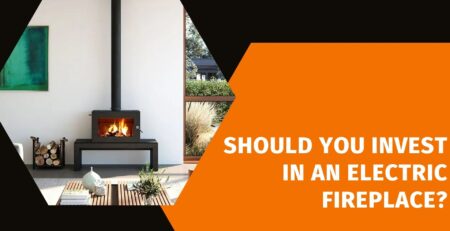
Should You Invest in an Electric Fireplace?
Electric fireplaces have grown in popularity as a flexible heating option that blends a cosy atmosphere...
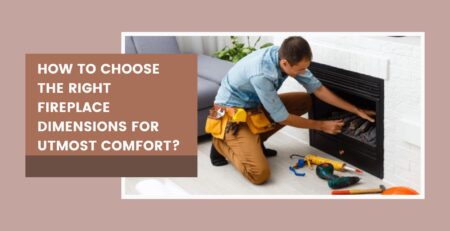
How to Choose the Right Fireplace Dimensions for Utmost Comfort?
When selecting a fireplace, size plays a pivotal role. Whether you’re looking for a wood heater...
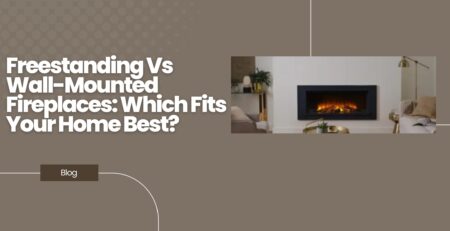
Freestanding Vs Wall-Mounted Fireplaces: Which Fits Your Home Best?
When considering a gas fireplace, homeowners often weigh the options between freestanding and wall-mounted models. Each...
Fireplace Maintenance Tips for Long-Lasting Comfort
Neglecting your fireplace can lead to costly consequences, from soot accumulation to structural damage. However, with...