

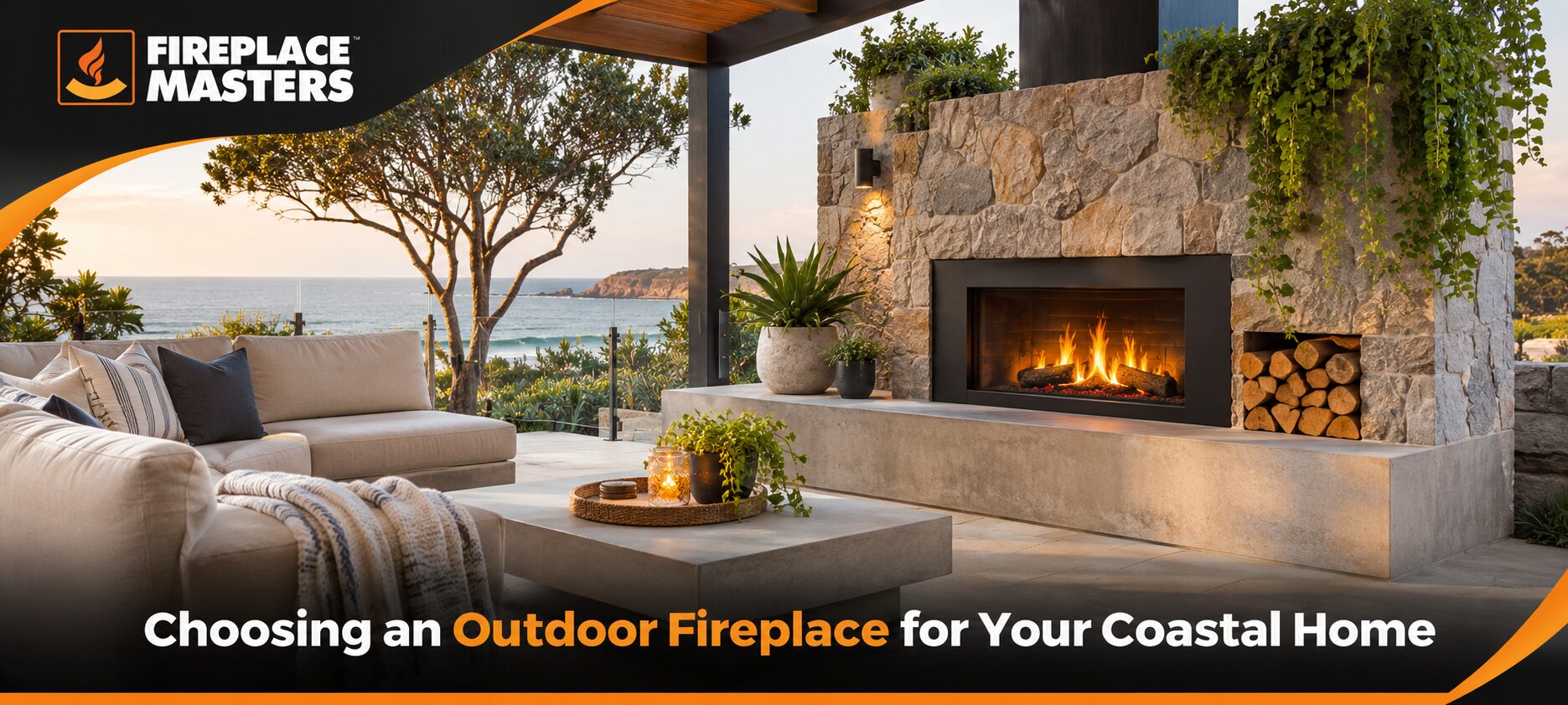
Living along the Australian coast offers plenty of opportunities to enjoy the outdoors. From relaxed weekend barbecues to evening gatherings with family and friends, an outdoor fireplace can make your entertaining space more comfortable throughout the year.
However, coastal homes face environmental conditions that can affect the appearance, performance and lifespan of outdoor appliances. Salt-laden air, strong winds, humidity and exposure to rain are important factors to consider when purchasing a fireplace.
Choosing a model suited to these conditions can help you enjoy a welcoming outdoor space while reducing avoidable maintenance and premature deterioration.
Understand How Coastal Weather Affects Fireplaces
Homes near the ocean are regularly exposed to airborne salt and moisture. Over time, salt deposits can accumulate on metal surfaces and contribute to corrosion, discolouration and deterioration.
Even properties located several kilometres from the beach may experience these effects, depending on prevailing winds and surrounding geography.
When comparing outdoor fireplaces for a coastal property, consider how exposed the installation will be to the elements.
A sheltered courtyard in Berry may experience different conditions from an elevated beachfront property in Kiama.
Understanding your property's particular environment can help you make a more informed purchasing decision.
Look for Durable and Corrosion-Resistant Materials
The materials used in a fireplace can make a considerable difference to its performance in coastal conditions.
Although many outdoor models are designed to withstand exposure to the weather, their resistance to corrosion can vary.
Look closely at the construction of the firebox, exterior panels, fittings and other exposed components.
Stainless Steel Components
Stainless steel is commonly used in outdoor appliances because of its corrosion-resistant properties.
Grade 316 stainless steel generally offers better resistance to coastal corrosion than grade 304. However, even higher-grade stainless steel requires appropriate cleaning and maintenance.
Protective Finishes
Some fireplaces feature heat-resistant coatings or protective finishes designed to help protect metal surfaces from environmental exposure.
Check whether these finishes are suitable for coastal environments and ask the supplier about recommended care procedures.
Remember that weather resistance does not necessarily mean an appliance is completely resistant to saltwater corrosion.
Select the Right Fireplace for Your Lifestyle
Your choice of fireplace should reflect how you use your outdoor space and the level of maintenance you are comfortable with.
Wood-Burning Fireplaces
An outdoor wood fireplace brings natural character and warmth to coastal gardens, patios and entertaining areas.
It is a particularly attractive option for homeowners who enjoy traditional fires and spending longer evenings outdoors.
However, you will need suitable dry firewood storage, regular ash removal and appropriate maintenance of the firebox and chimney.
Gas Fireplaces
An outdoor gas fireplace provides convenient warmth without the need to store firewood or manage ash.
Gas fireplaces can suit contemporary coastal homes where convenience and clean-lined designs are important.
Before purchasing, confirm that the burner, fittings and exterior components are suitable for the expected environmental conditions.
Electric Heating Alternatives
Outdoor-rated electric heating appliances can be a practical choice for certain coastal entertaining spaces.
For evenings when strong winds or heavy rain make outdoor entertaining less appealing, a free standing electric fireplace can also create a welcoming atmosphere inside your home.
Only electric appliances specifically approved for the intended outdoor conditions should be installed outside.
Consider Wind Direction and Exposure
Coastal breezes can make outdoor living enjoyable during warmer weather, but strong winds may affect fireplace performance and comfort.
Wind can influence the movement of smoke, the behaviour of flames and how effectively warmth reaches nearby seating areas.
Before deciding on a fireplace location, observe how wind moves through your property at different times of the day.
Consider surrounding buildings, garden walls, neighbouring properties and the orientation of your outdoor entertaining area.
A suitable sheltered position may improve comfort and reduce direct weather exposure, provided the fireplace's ventilation and clearance requirements are maintained.
Avoid enclosing the appliance simply to protect it from strong winds.
Choose Suitable Flue Materials and Components
For fireplaces requiring a chimney or flue, exposed components also need to be considered when planning a coastal installation.
Salt deposits, rainfall and humidity can affect external flue sections, cowls and metal fittings.
When selecting a fireplace flue kit, ask your installer whether the materials and finishes are appropriate for your property's coastal exposure.
Any alternative components must be compatible with the selected fireplace and approved flue system.
Correct material selection, professional installation and periodic inspections can help identify and address deterioration before it develops into a more significant problem.
Protect Your Fireplace from Excess Moisture
Rainwater and damp conditions can contribute to the deterioration of metal components and surrounding finishes.
Choose an installation location with suitable drainage and consider how rainwater flows from nearby roofing, walls and garden areas.
For wood-burning fireplaces, store seasoned firewood in a dry, ventilated location away from ground moisture. Avoid burning driftwood, as it may contain salt and other contaminants.
Where the manufacturer permits a protective fireplace cover, use it according to the supplied instructions and only once the appliance has completely cooled.
Establish a Regular Maintenance Routine
Coastal fireplaces benefit from consistent care, even during periods when they are not being used frequently.
Simple maintenance practices include:
- Removing salt deposits from accessible surfaces using manufacturer-approved cleaning methods.
- Checking external components for corrosion or unusual discolouration.
- Keeping the surrounding area free from leaves and debris.
- Inspecting protective finishes for visible deterioration.
- Arranging professional servicing at the recommended intervals.
Regular fireplace servicing and maintenance can help identify potential problems and support the continued performance of your appliance.
Find the Perfect Outdoor Fireplace for Your Coastal Home
The right outdoor fireplace can complement the relaxed character of coastal living while providing a comfortable gathering place for family and friends.
At Fireplace Masters, we understand the diverse conditions experienced by homeowners across Wollongong, Shellharbour, Kiama, Nowra and the South Coast.
With over 40 years of experience, our team can assist with fireplace selection, installation planning and ongoing maintenance.
Explore our range at our Albion Park Rail showroom, call 02 4257 5493 or contact our fireplace specialists to find a suitable solution for your coastal home.

Can You Install an Outdoor Fireplace Under a Covered Alfresco Area?
A covered alfresco area is a wonderful place to entertain guests, enjoy family dinners or unwind...

Can You Mount a TV Above a Fireplace? A Guide for Wood, Gas and Electric Models
Mounting a television above a fireplace can create a clean, modern focal point in a living...
Open Fireplace to Inbuilt Wood Heater: What to Know Before You Upgrade
An existing open fireplace can be an attractive feature, but it may not provide the level...
Combustible Vs. Non-Combustible Fireplace Materials Explained
Choosing the right materials around a fireplace is not only about style. It also affects safety,...
Is Your Fireplace Safe? Signs It Needs a Safety Check
A fireplace should make your home feel warm and relaxed, not put your family at risk....
20 Best Accessories for Indoor and Outdoor Freestanding Fireplaces
A fireplace isn't just for heat; it's a focal point. Whether it's the rustic vibe of...
How Long Does a Fireplace Last?
Choosing a fireplace is not just about staying cosy for one winter. It is a long-term...

Is Your Fireplace Ready for Winter?
Carrying out a few simple checks annually helps keep your fireplace working well and your home...

Should You Invest in an Electric Fireplace?
Electric fireplaces have grown in popularity as a flexible heating option that blends a cosy atmosphere...

A Buyer’s Guide To Choosing the Perfect Outdoor Wood Heater
Outdoor spaces expand and supplement the house for recreation, entertainment, or quality time with family and...